!Side Menu Logo

!Header Logo
Why Do Cats Meow? Understanding Feline Vocal Behavior
Have you ever wondered what your cat is trying to say when they meow at you? At All Pets Veterinary Center, your Louisville, KY vet clinic, we field a lot of questions about kitty vocalizations. Kitties have a unique way of communicating. Their charming vocalizations can reveal a lot about how they’re feeling, their needs, and even their health.
In this blog, we’ll explore the reasons why your feline friend meows, how to understand different types of meows, and what it might mean when your cat meows excessively. From basic communication to signs of discomfort, understanding your cat’s vocal behavior can strengthen your bond and ensure they’re always well taken care of.
Why Cats Meow: The Basics of Feline Communication
Cats are naturally quiet creatures, especially in comparison to dogs, who bark more frequently. But cats do meow—often, and for good reason. In the wild, cats are more likely to communicate through body language, scent marking, and purring. However, domesticated cats have learned to use meowing to communicate with humans, their main companions.
A meow can mean a variety of things, including asking for attention, food, or simply expressing their feelings. Cats meow for one of two main reasons:
- To communicate with humans: Unlike dogs, cats typically don’t meow to other animals. They’ve developed this vocal behavior specifically for you.
- To express their needs: Meowing is often a sign that your cat wants something from you. Whether it’s food, affection, or access to a different space, your kitty has learned that meowing gets attention. In fact, many cats are masters at meowpulating their humans!
Of course, our feline pals are full of purrsonality. Click here for our past blog article on kitty quirks. This one is about kneading.
Types of Cat Meows and Their Meanings
Not all meows are the same. Just like us, cats can vary their tone, pitch, and frequency based on what they’re feeling or trying to communicate. Here are some of the common types of cat meows:
1. The Greeting Meow
This is the meow that says, Hello! Your cat might greet you at the door when you come home or meow as a friendly invitation for attention. It’s often a short, sweet meow that’s accompanied by happy body language.
2. The Feed Me Meow
We’ve all heard this one—loud, insistent meowing that’s usually accompanied by a cat sitting near their food bowl or staring at you expectantly. It’s your cat’s way of saying, I’m hungry!
3. The Let Me Out Meow
This meow is common for cats who want to go outside or be let into another room. It can be persistent and often accompanied by scratching at a door or window.
4. The I’m Not Feeling Well Meow
Sometimes, cats meow when they’re in discomfort or feeling unwell. These meows are typically quieter or more drawn out than usual, and your cat may seem lethargic or less active. If you notice your cat meowing like this consistently, it’s worth checking in with your vet.
5. The I Want to Be Left Alone Meow
If your cat’s meowing sounds a bit snippy or harsh, it might be telling you to give them space. Cats value their alone time, and this meow can be a polite (or not-so-polite) request for a little solitude.
Chewy has an article on kitty vocalizations here. The ASPCA also covers meows in this article.
When Excessive Meowing Is a Concern
While occasional meowing is completely normal, excessive meowing can be a sign that something is wrong. Here are some reasons your cat might be meowing more than usual:
1. Health Issues
Excessive meowing can sometimes be a symptom of health problems, such as pain, discomfort, or an underlying illness. For example, cats with thyroid issues, kidney disease, or even dental problems might meow more often.
2. Stress or Anxiety
If your cat is feeling stressed or anxious, they might meow more. This could happen if there’s been a change in their environment, such as a move, new pets or people, or even loud noises.
3. Cognitive Dysfunction
Older cats may suffer from cognitive dysfunction, which is similar to dementia in humans. If your senior cat is meowing more than usual, especially at night, they may be experiencing confusion or disorientation.
4. Loneliness
If your cat is left alone for long periods, they may meow excessively because they feel lonely or bored. In these cases, they might be asking for more attention, playtime, or companionship.
5. Seeking Attention
Sometimes, a cat might meow simply because they want your attention—whether that’s to play, snuggle, or be petted.
How to Respond to Your Cat’s Meows
Understanding why your cat is meowing can help you respond appropriately. Here are some tips for how to handle different types of meows:
- Greet them back: If your cat is meowing to greet you, return the gesture with a soft, pleasant voice. You can also offer a pet or a treat as a reward.
- Provide food or water: If your cat is asking for food or water, make sure their bowls are full and fresh.
- Respect their space: If they’re asking for privacy, respect their boundaries and leave them to relax.
- Check for discomfort: If your cat seems to be meowing because they’re in pain, take note of other signs like lethargy, appetite loss, or hiding. If these symptoms persist, it’s time to visit the vet.
Frequently Asked Questions
1. Why does my cat meow so much at night?
Nighttime meowing can be a sign of loneliness or anxiety, especially in older cats. Try providing more stimulation during the day and a comfortable sleeping space at night.
2. Is it normal for my cat to meow when I leave the house?
Yes, cats often meow when their humans leave. It’s a sign that they miss you! Consider providing extra toys or a comfortable space to ease their anxiety.
3. Can meowing be a sign of a health issue?
Yes, if your cat is meowing excessively or in an unusual tone, it could be a sign of health problems. A visit to your vet is recommended to rule out medical causes.
4. How do I know if my cat is meowing for attention or because they’re hurt?
If your cat is meowing for attention, it’s typically more energetic and less drawn out. If they seem lethargic or are meowing in pain, it could be a sign of injury or illness.
5. Can I train my cat to stop meowing so much?
Yes, you can use positive reinforcement to reward quiet behavior and redirect attention-seeking meows. However, it’s important to rule out medical issues first.
Schedule an Appointment at Our Louisville, KY Pet Clinic
Understanding your cat’s vocalizations can help you build a better relationship with your feline friend. If your kitty’s meowing seems excessive or out of the ordinary, All Pets Veterinary Center in Louisville, KY is here to help. We’ll work with you to ensure your cat’s health and comfort.
Are you searching for a great veterinary clinic in Louisville, KY? You can try looking for a vet near me, or just give us a call today to schedule your cat’s checkup.
Click here to visit our Service page and find out more about our clinic and the animals we treat. You can also go here to learn more about our Exotic Pet Care offerings, or go here to visit our Critical Care page.
This blog is meant to be informational only. Always consult with your veterinarian for the right medical advice, diagnosis, or treatment plan for your pet and follow their guidance.
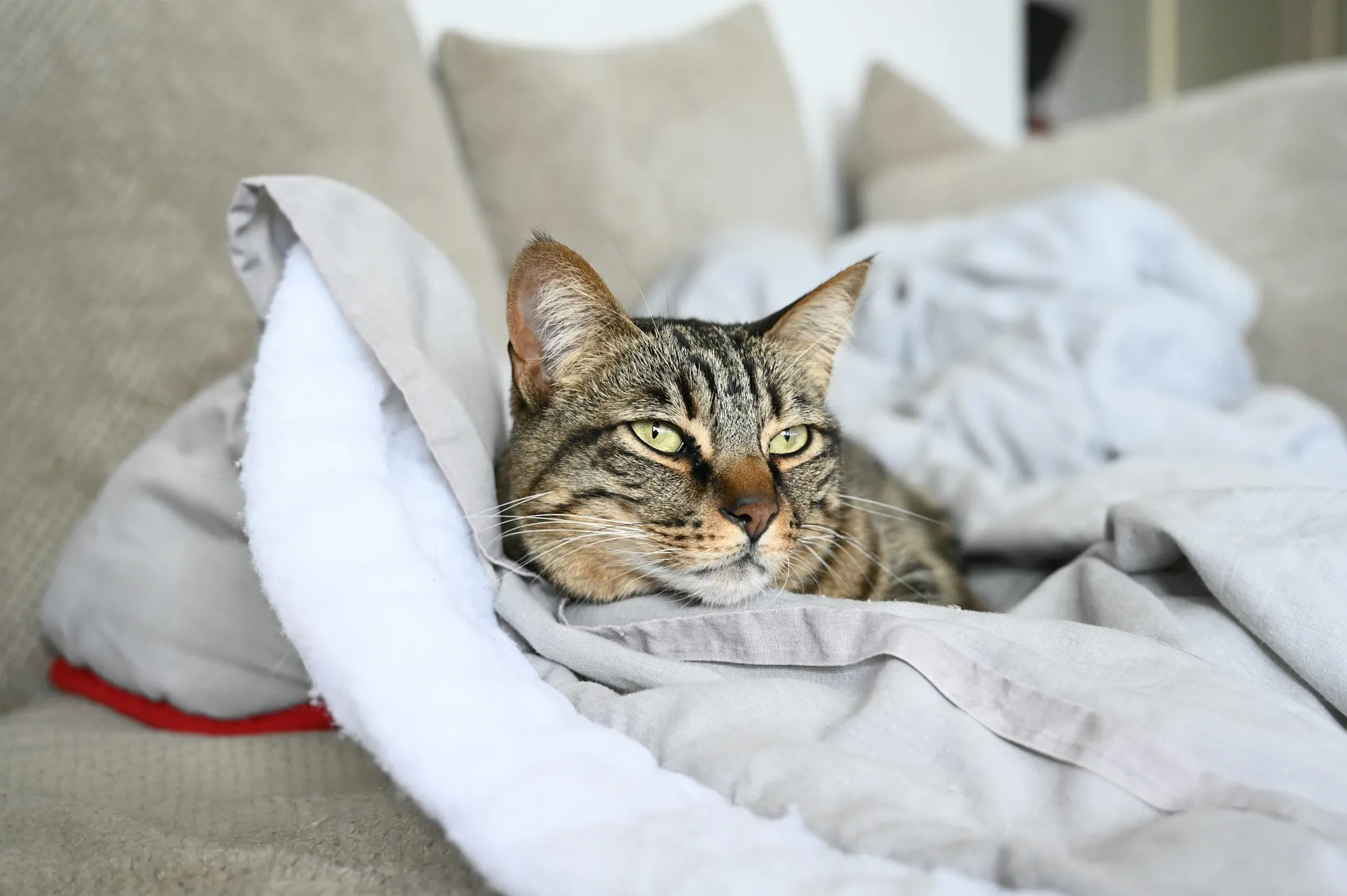
Why Do Cats Knead Blankets? Feline Habits Explained
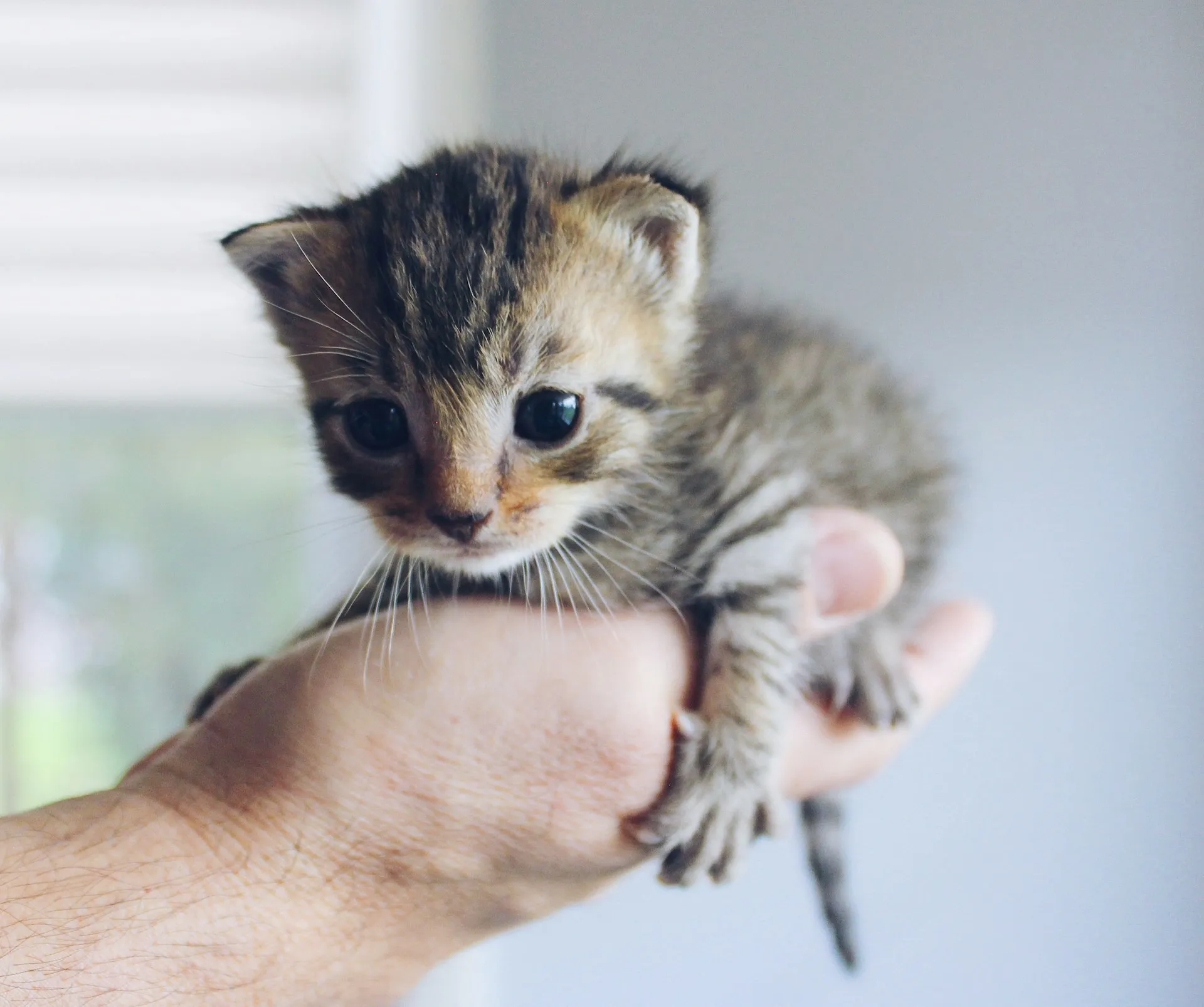
Top Benefits of Adopting a Rescue Cat or Kitten