!Side Menu Logo

!Header Logo
How to Tell If Your Rabbit Is Lonely or Bored
Rabbits are social creatures that thrive on interaction and enrichment. When they’re feeling lonely or bored, they can exhibit behaviors that may be confusing or concerning to their owners. At All Pets Veterinary Center in New Albany, IN, we are happy to help inform new bunny owners about rabbit behavior. Bunnies are actually quite emotional. Recognizing the signs of rabbit loneliness or boredom is crucial to ensuring your pet’s happiness and well-being.
In this blog, we’ll help you identify the signs that your rabbit may be feeling lonely or bored, and offer tips on how to improve their quality of life through rabbit enrichment ideas and social engagement. A happy rabbit is an active and healthy rabbit, and with a little effort, you can ensure your bunny is thriving.
Signs of Rabbit Loneliness
Rabbits are highly social animals that require regular interaction with both their human companions and, ideally, another rabbit. If your rabbit is feeling lonely, they may exhibit specific behaviors that indicate a need for companionship or more socialization. Here are the common signs of bored rabbit behavior and loneliness:
1. Increased Lethargy
One of the first signs that your rabbit might be lonely or bored is a noticeable decrease in their activity levels. Rabbits are typically energetic and curious, but a lonely or bored rabbit may become lethargic and show little interest in exploring or interacting. If you notice your rabbit spending a lot of time lying down or inactive, it could be a sign that they are not getting the mental stimulation they need.
2. Destructive Behavior
Rabbits who are left alone for long periods of time without stimulation may begin to engage in destructive behavior. This can include chewing on furniture, wires, or even their own cage. While chewing is a natural instinct for rabbits, excessive chewing or destructive behavior can indicate frustration or boredom.
3. Excessive Digging
Rabbits love to dig, but when they’re bored or lonely, they may dig excessively. If your rabbit starts digging at the floor of their cage or digging at bedding in an attempt to escape, this could be a sign that they are feeling trapped or under-stimulated. Digging may be their way of trying to relieve their boredom or express their frustration.
4. Decreased Appetite
A rabbit who’s feeling lonely or bored may also lose interest in food. Rabbits are typically grazers and enjoy eating throughout the day, so a decrease in appetite or a refusal to eat can be a red flag. If your rabbit is not eating their usual amount of food, it may be a sign of emotional distress or dissatisfaction with their environment.
5. Unusual Vocalizations
While rabbits are generally quiet animals, some may vocalize more when they are lonely or bored. If your rabbit starts to make unusual sounds, such as whining or whining loudly, it could indicate that they are feeling anxious or isolated. Rabbits may also thump their hind legs in frustration, a behavior that signals distress.
How to Tell If Your Rabbit Is Bored
In addition to loneliness, boredom is another common issue for rabbits. A bored rabbit is likely not getting enough physical or mental stimulation, which can lead to stress and negative behaviors. Here’s how to tell if your rabbit is bored:
1. Lack of Interest in Toys or Activities
Rabbits are naturally curious animals, and they enjoy interacting with toys, exploring, and engaging in playful activities. If your rabbit loses interest in their toys or becomes uninterested in exploring their environment, it could be a sign of boredom. Without proper mental stimulation, rabbits may withdraw from activities they once enjoyed.
2. Repetitive Movements
Bored rabbits may engage in repetitive movements, such as pacing back and forth in their enclosure. This repetitive behavior is a sign of frustration and a lack of stimulation. Your rabbit may also perform the same actions, like chewing on the same object or digging repeatedly, in an attempt to fill the void caused by boredom. (Click here to revisit another blog we wrote about bunny body language.)
3. Excessive Grooming
While rabbits groom themselves regularly, excessive grooming is often a sign of boredom or anxiety. If your rabbit is constantly licking or pulling at their fur, it may indicate that they’re stressed and need more attention and enrichment. Excessive grooming can also lead to hair loss or sores, so it’s important to address boredom before it becomes a bigger issue.
4. Aggression Toward You or Other Pets
Bored or frustrated rabbits may act out in aggressive ways, especially if they’re not receiving enough attention or interaction. If your rabbit starts nipping, lunging, or showing signs of aggression toward you or other pets, it could be a sign that they are feeling emotionally unfulfilled and are acting out as a result.
5. Refusal to Exercise
Exercise is vital for a rabbit’s physical health, and a bored rabbit may stop exercising altogether. If your rabbit is normally active and enjoys hopping around, but has suddenly become sedentary or uninterested in play, boredom may be the cause. Providing more opportunities for exercise can help alleviate boredom and improve their overall health.
The Indiana House Rabbit Society has an FAQ post which may also be helpful. That is here. Seattle.gov has a good rabbit care sheet here.
How to Prevent Loneliness and Boredom in Your Rabbit
If you’ve noticed any of the signs of loneliness or boredom in your rabbit, there are several ways you can improve their quality of life:
1. Provide a Rabbit Companion
Rabbits are social animals, and one of the best ways to prevent loneliness is by adopting a second rabbit. A bonded pair of rabbits will keep each other company and provide mental and physical stimulation. Be sure to properly introduce the rabbits and allow them to bond in a safe and supervised environment.
2. Create an Enriched Environment
Boredom often stems from a lack of mental stimulation. To keep your rabbit entertained, provide a variety of toys, tunnels, and activities. Offer new challenges such as puzzle feeders or cardboard boxes to explore. Changing their environment by rearranging their cage or adding new items will keep things interesting and provide mental stimulation.
3. Increase Playtime and Interaction
Spend more time interacting with your rabbit during the day. Take them out of their cage for supervised playtime in a safe space, and offer treats, toys, and opportunities for exercise. Regular playtime not only helps relieve boredom but also strengthens your bond with your rabbit.
4. Provide a Variety of Healthy Foods
A varied diet can also help relieve boredom. Provide different types of fresh vegetables, hay, and occasional fruit to keep your rabbit’s meals exciting. You can also hide small treats around their enclosure or in toys to encourage foraging and mental engagement. Just stick with safe options. Ask your vet for specific advice.
5. Create a Safe Outdoor Play Area
If your rabbit enjoys being outside, consider setting up a secure playpen or enclosure in your yard where they can hop around and explore in a safe environment. Make sure the area is free from predators, and provide plenty of toys and space for them to roam.
Frequently Asked Questions
1. How do I know if my rabbit is lonely or bored?
Signs of loneliness include lethargy, lack of appetite, and destructive behavior. Boredom is often seen in the form of repetitive actions, lack of interest in toys, or excessive grooming.
2. Can rabbits be left alone all day?
Rabbits should not be left alone for long periods of time. They need daily socialization, exercise, and mental stimulation to stay healthy and happy. If you work long hours, consider getting a second rabbit for companionship.
3. How can I keep my rabbit mentally stimulated?
Offer a variety of toys, change up their environment, and provide opportunities for exploration. You can also train your rabbit using positive reinforcement and hide treats to encourage foraging.
4. Can I leave my rabbit outside in a pen?
Rabbits can enjoy outdoor playtime, but it’s important to provide a safe, secure pen away from predators. Make sure the pen is bunny-proof and has plenty of shade and shelter from the elements.
5. How can I stop my rabbit from chewing on furniture?
If your rabbit is chewing on furniture, they may be bored or anxious. Provide plenty of safe chew toys, and redirect their attention to appropriate items.
Contact Our Louisville KY Pet Clinic
If you’re concerned about your rabbit’s behavior or overall well-being, All Pets Veterinary Center in New Albany, IN is here to help. We offer expert care and advice to ensure your rabbit is happy, healthy, and well-stimulated.
Looking for a trusted New Albany, IN vet? You can search for a “vet near me,” or simply call us to schedule an appointment for your rabbit’s health check-up today.
Click here to visit our Service page and find out more about our clinic and the animals we treat. You can also go here to learn more about our Exotic Pet Care offerings, or go here to visit our Critical Care page.
This blog is meant to be informational only. Always consult with your veterinarian for the right medical advice, diagnosis, or treatment plan for your pet and follow their guidance.

Why Do Cats Knead Blankets? Feline Habits Explained
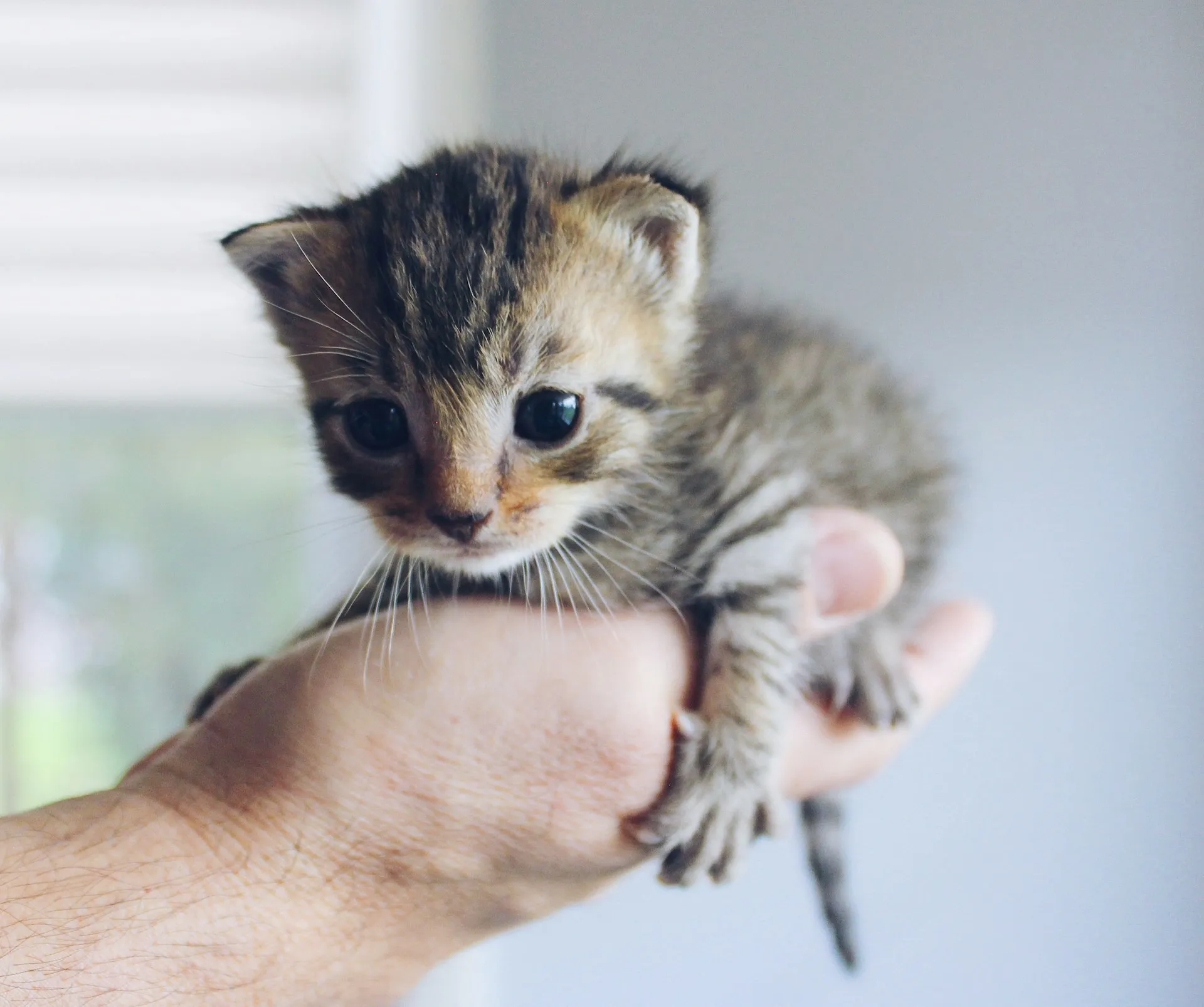
Top Benefits of Adopting a Rescue Cat or Kitten