!Side Menu Logo

!Header Logo
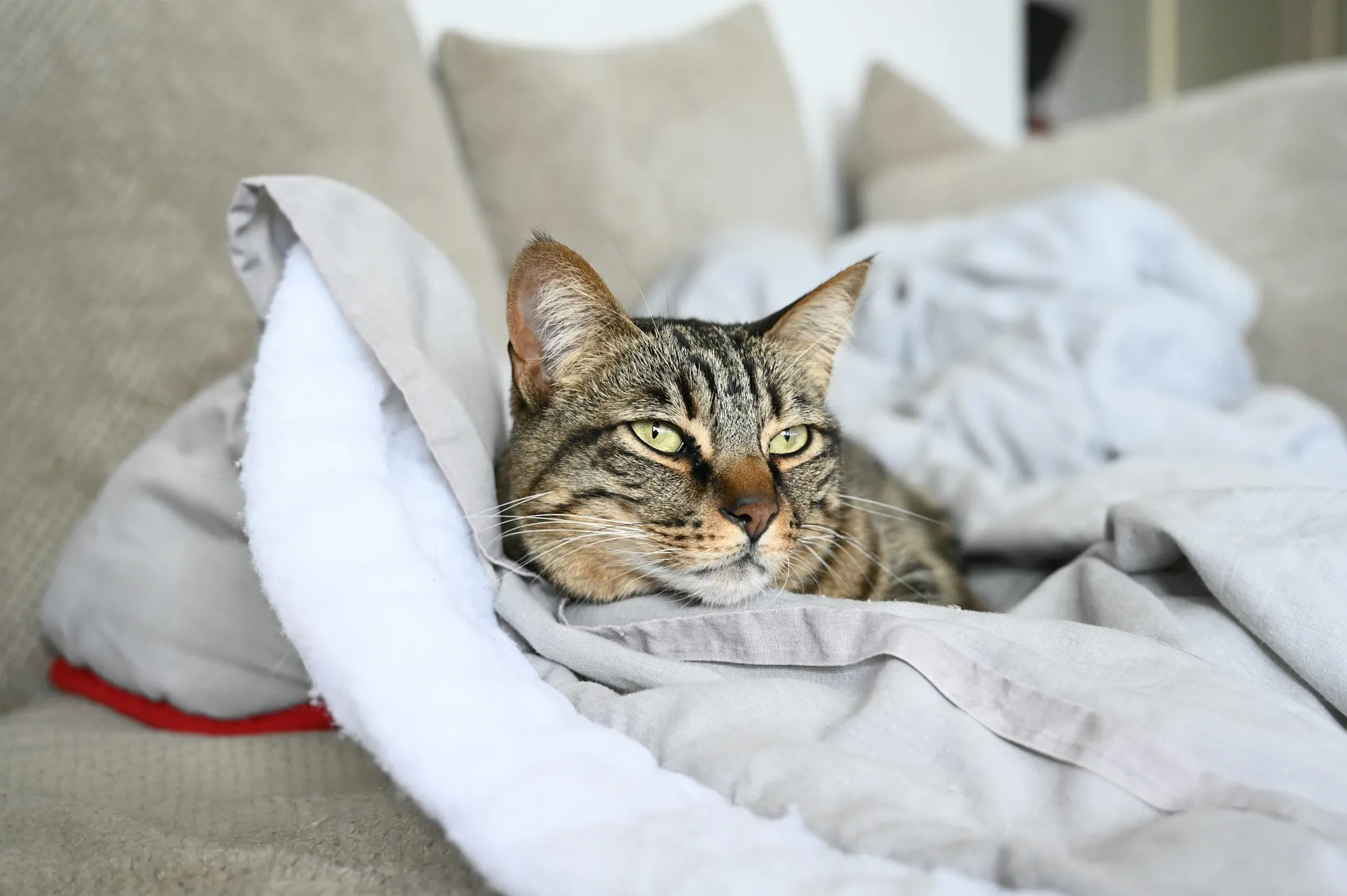
Why Do Cats Knead Blankets? Feline Habits Explained
If you’ve ever watched your cat knead their blanket, you may have wondered why they engage in this behavior. At All Pets Veterinary Center, your Louisville, KY animal clinic, we frequently get asked about feline habits like kneading. This instinctive behavior is seen in cats of all ages, and while it may seem puzzling, it actually serves an important purpose.
In this blog, we’ll explore why cats knead blankets, what this behavior means, and how it relates to your cat’s emotional state and physical needs. Understanding these feline habits can help you better care for your cat and appreciate their quirky behaviors.
What Is Kneading in Cats?
Kneading is the rhythmic motion cats make by pressing their paws alternately into a soft surface, such as a blanket, pillow, or your lap. It’s a behavior that typically involves kneading with both front paws while purring contentedly. While it might seem like a random action, kneading has several significant meanings for your cat.
1. Kitten Behavior From Early Life
Kneading is a behavior that begins in kittenhood. When kittens are nursing from their mothers, they knead their mother’s belly to stimulate milk production. This action helps them nurse more efficiently, and it’s a comforting and nurturing behavior. As adult cats, this instinct often persists. When your cat kneads a blanket, it may be a throwback to those early, comforting moments spent with their mother.
2. Comfort and Security
Kneading is often associated with comfort and relaxation. Cats knead when they feel secure, and it’s their way of soothing themselves. If your cat is kneading their blanket while lounging on your couch or in their favorite spot, it likely indicates that they feel comfortable and safe in their environment. Much like humans may rub a soft pillow or blanket to comfort themselves, cats knead for a similar reason.
3. Territorial Marking
Did you know that cats have scent glands in their paws? When they knead, they leave behind a subtle scent that marks the area as “theirs.” This behavior is part of a cat’s instinctual need to claim territory, and they may knead on blankets, furniture, or even you to create a familiar, comforting environment. It’s a way for cats to mark their space and remind themselves that they’re in a safe, familiar area.
4. Stretching and Exercising
Kneading is also a great way for your cat to stretch their muscles, especially the muscles in their paws, legs, and back. This motion helps keep their limbs limber, and it’s a natural part of a cat’s daily routine. Cats are known for their flexibility, and kneading helps maintain their agility and strength. If you’ve noticed your cat kneading before a nap, they’re likely stretching to prepare for a restful sleep.
5. Indicating Contentment
Kneading often goes hand in hand with purring, another sign of contentment in cats. If your cat kneads and purrs while resting with you, it’s a strong indication that they are happy, relaxed, and enjoying their time with you. Kneading is a behavior that many cats exhibit when they feel loved and secure in their surroundings.
PetMD wrote about kitties’ habit of making biscuits here. The American Animal Hospital Association also dug into this topic here.
When to Be Concerned About Kneading Behavior
In most cases, kneading is completely normal and healthy for your cat. However, there are a few instances where kneading could indicate an issue, and it’s important to pay attention to the context of the behavior. Here are a few signs to watch out for:
1. Excessive Kneading
If your cat is constantly kneading and showing signs of distress, such as excessive meowing, panting, or restlessness, it could indicate that they are experiencing anxiety. In this case, kneading may be a coping mechanism that helps them deal with stress. It’s important to monitor your cat’s behavior and ensure they have a calm, secure environment.
2. Changes in Kneading Behavior
If your cat suddenly begins kneading in new places or with more intensity than usual, it could be a sign of discomfort or insecurity. Changes in behavior should be noted and could warrant a visit to the vet, especially if your cat also shows other signs of illness, such as loss of appetite or changes in litter box habits.
3. Aggressive Kneading
If your cat’s kneading becomes more aggressive, and they start digging their claws into furniture or your skin while kneading, it could be a sign of overstimulation. Some cats knead while also showing signs of frustration or excitement. If this occurs, try to redirect your cat’s energy by offering them a toy or another form of playtime.
How to Manage Kneading
While kneading is a natural behavior, there are some things you can do to manage it if it becomes bothersome:
1. Provide Soft Surfaces
If your cat is kneading on your furniture or clothing, consider providing them with designated soft surfaces to knead, such as a plush blanket or cushion. This gives them an appropriate place to express this natural behavior without damaging your belongings.
2. Trim Your Cat’s Claws
If your cat’s kneading causes discomfort due to sharp claws, regular nail trimming can help reduce the impact. Keep their claws trimmed to a safe length to prevent accidental scratching during kneading.
3. Provide Alternatives
For cats that knead excessively or seem to use kneading as a way to release pent-up energy, offering alternatives like interactive toys, scratching posts, or additional playtime can help redirect their energy. Keeping your cat engaged and entertained will help balance their natural instincts with healthy outlets.
Frequently Asked Questions
1. Is it normal for all cats to knead?
Most cats will knead at some point in their lives, but not all cats do it regularly. It’s more common in cats that have had positive experiences with their mother or are closely bonded with their human companions.
2. Can I stop my cat from kneading?
Kneading is a natural and comforting behavior for cats, so it’s not something you need to stop. However, you can manage it by providing appropriate surfaces for them to knead and trimming their claws to prevent damage.
3. Why does my cat knead me but not the furniture?
Cats who knead their owners are often expressing affection and seeking comfort. It’s a sign that they trust you and feel safe with you. If they don’t knead the furniture, it could mean that you’re their preferred source of comfort. Kitties sure are full of purrsonality! Click here to see another blog on the cat’s meow.
4. Is kneading a sign of aggression?
Kneading itself is not a sign of aggression. However, if your cat is kneading aggressively and showing other signs of frustration, it may be a sign that they are overstimulated or anxious.
5. Why do kittens knead their mother?
Kittens knead their mothers to stimulate milk flow while nursing. This behavior often carries over into adulthood as a comforting action.
Contact Our Louisville KY Pet Clinic
If you’re concerned about your cat’s kneading behavior or overall health, All Pets Veterinary Center, your Louisville, KY animal clinic, is here to help. Our expert team can provide you with advice on your cat’s behavior and overall wellness.
Looking for a trusted Louisville, KY vet? You can search for a “vet near me,” or simply call us to schedule your cat’s wellness check-up today.
Click here to visit our Service page and find out more about our clinic and the animals we treat. You can also go here to learn more about our Exotic Pet Care offerings, or go here to visit our Critical Care page.
This blog is meant to be informational only. Always consult with your veterinarian for the right medical advice, diagnosis, or treatment plan for your pet and follow their guidance.
Why Do Cats Knead Blankets? Feline Habits Explained
Top Benefits of Adopting a Rescue Cat or Kitten